- Sign up & get a FREE ebook Subscribe NOW!
- Romewise Home Page
- What to Expect in Rome in 2026
Rome Has Transformed: What to Expect in Rome in 2026

There have been lots of additions and new developments in the Eternal City that are here to stay. Find out what to expect from Rome in 2026 with all our latest news.
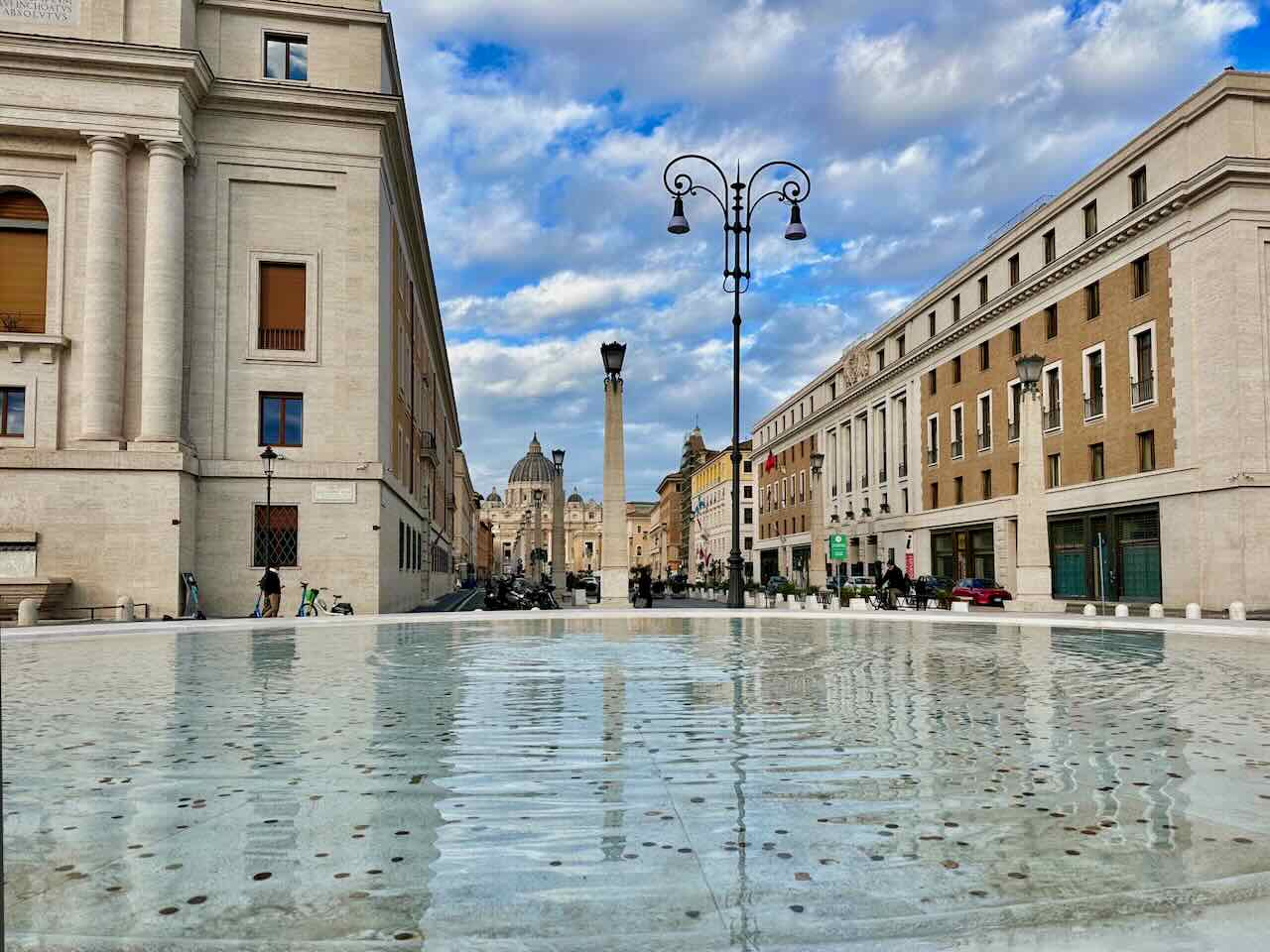
New for Rome in 2026
Rome didn’t just prepare for the 2025 Jubilee. It used it as a catalyst to fix long-standing problems and permanently change how the city works.
If you postponed your trip and are now planning for 2026, my guide walks you through what actually changed, what stayed after the Jubilee, and how those changes affect your visit today.
This is not a list of temporary events or speculation; it focuses on infrastructure,
access, and visitor experience improvements that are already in place, including:
- Rome after the Jubilee
- What's new at the Vatican
- Updates to the Colosseum, Roman Forum and Palatine Hill
- New Metro stations
- Construction and major works around the city, including at the Spanish Steps
- Mausoleum of Augustus & Augusto Caffè
- New concerts and changes to the summer Opera season
- The Celio Archeological Park Cafè
- Piazza della Repubblica
- Changes and new additions at the Pantheon
- Trevi Fountain fee
- Villa Celimontana
- Transport & Tap-and-Go
- Looking ahead
Check out all the newest updates from Rome in my latest video - click here to watch it now.
The Big Picture: Rome After the Jubilee
The Jubilee ended in 2025, but its impact did not.
Many travelers delayed their trips and are now targeting 2026, which means Rome is not suddenly quiet.
What is different is the city’s ability to handle crowds. Pedestrian spaces, transportation, and access systems are better organized than they were even a few years ago.
Make sure to watch my YouTube video where I talk about all the changes in Rome for 2026 for lots more details and information about what post-Jubilee Rome looks like.
What's New at the Vatican?
There are always changes at the Vatican, whether that's new things to do and see, new visit processes or tickets. So, here I talk about all the latest updates in Vatican City:
Passeggiata del Gelsomino (The Jasmine Walk)
Opened in May 2025, the Passeggiata del Gelsomino is a one-kilometer pedestrian path built along a former Vatican railway line. It runs from the San Pietro station area toward the Vatican.
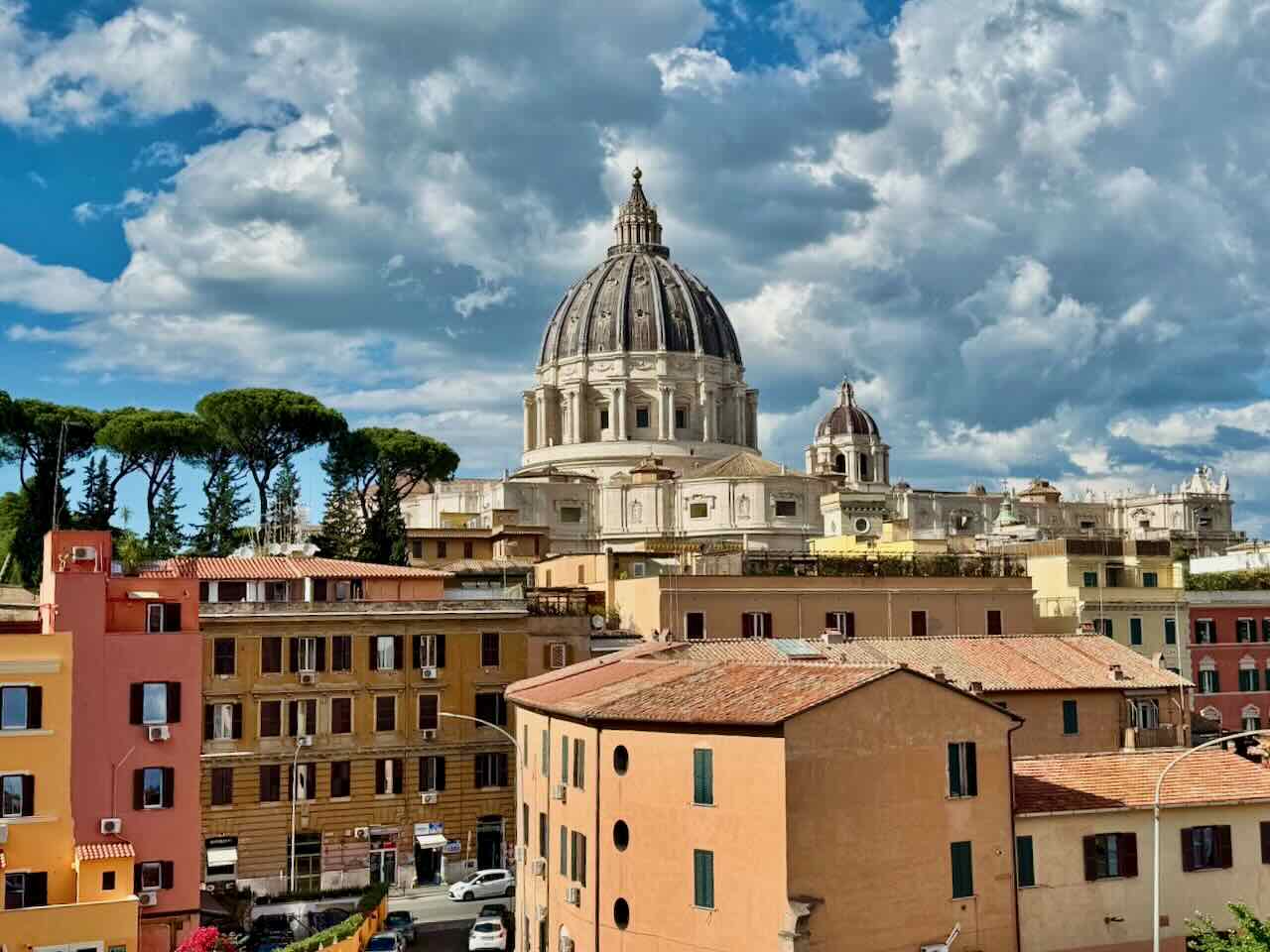 I love this view of Saint Peter's dome you have as you walk along the new Jasmine Path - the Passeggiata del Gelsomino.
It is not inside the Vatican and is not an official access route.
The walkway is a calmer, greener way to move through this part of Rome.
In spring, jasmine lines the path, and there are open views toward St. Peter’s Basilica.
Petros Enì Inside St. Peter’s Basilica
Petros Enì is a permanent immersive experience that opened in late 2024 and became more accessible during 2025.
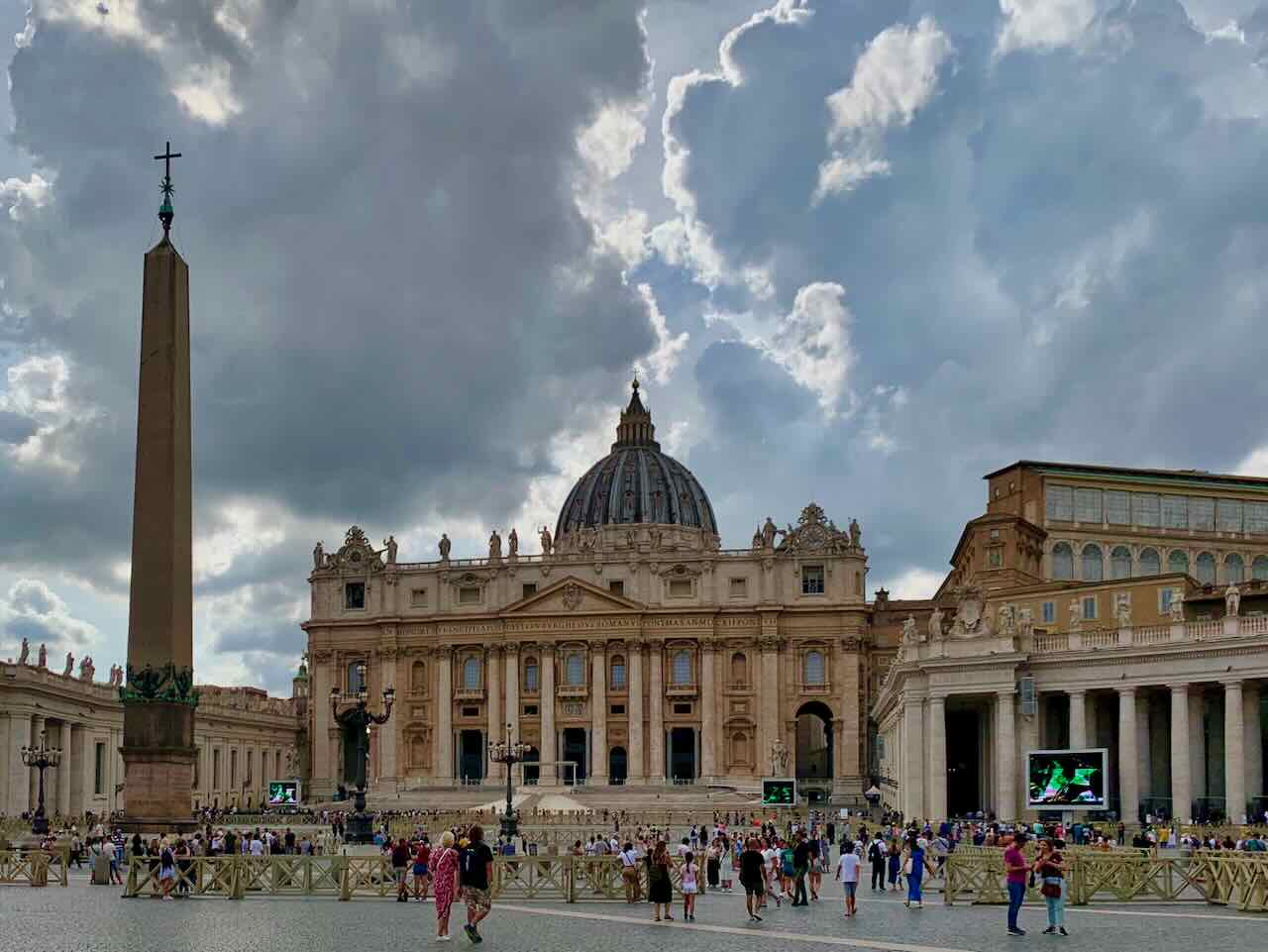
The experience is housed inside the Octagonal Halls. These are spaces located within a supporting pillar of St. Peter’s Basilica, beneath a smaller internal dome that most visitors never notice.
The Petros Enì focuses on the life of Saint Peter and the construction history of the Basilica.
It meaningfully changes how some visitors experience St. Peter’s, especially those interested in context rather than just scale.
New Online Booking System at St. Peter’s
A major post-Jubilee change is the Vatican’s new online booking system for St. Peter’s Basilica. It remains free to enter, but in order to reduce security wait times, there is now an option for visitors to reserve a time slot online for a fee of 7€.
This reservation comes with (usually) access to a dedicated security line and includes a self-guided audio guide for the basilica.
The same booking system also has options for:
- booking the dome climb
- booking the Petros Enì experience
- submitting your request to visit Saint Peter’s tomb and the Vatican necropolis
Visitors can still enter the basilica without booking, but the system adds predictability for those who prefer to plan ahead.
High visitor numbers in recent months have meant that the dedicated security line is not 100% guaranteed, or that the line is quicker, but planning your visit for outside peak hours will help.
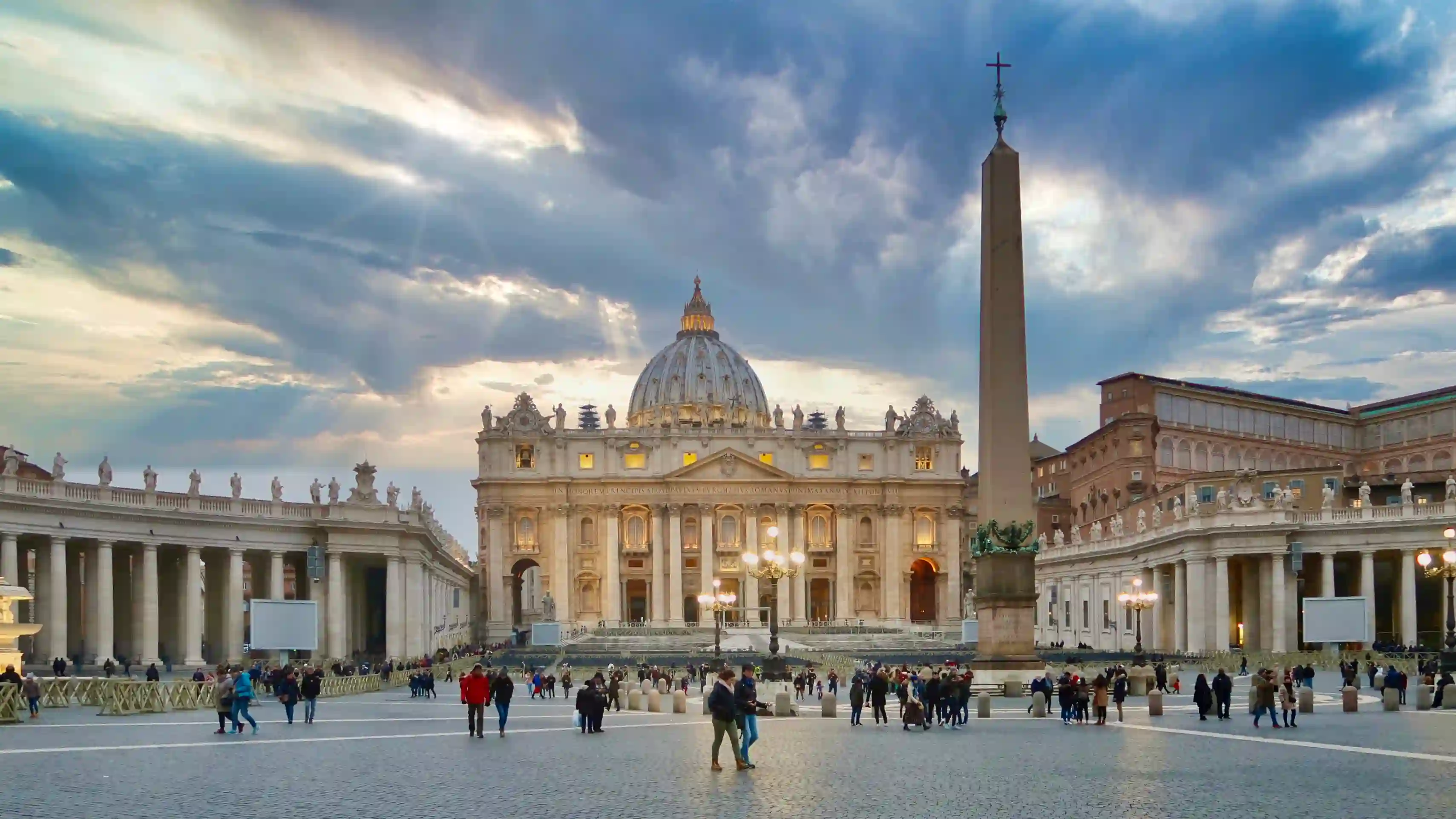 If you have limited time or want to minimize wait times, you can pay a small fee to access the basilica via a dedicated security line
Updates at the Colosseum, Roman Forum and Palatine Hill
The Corridor of Commodus at the Colosseum
One of the most important changes at the Colosseum is the opening of the Corridor of Commodus.
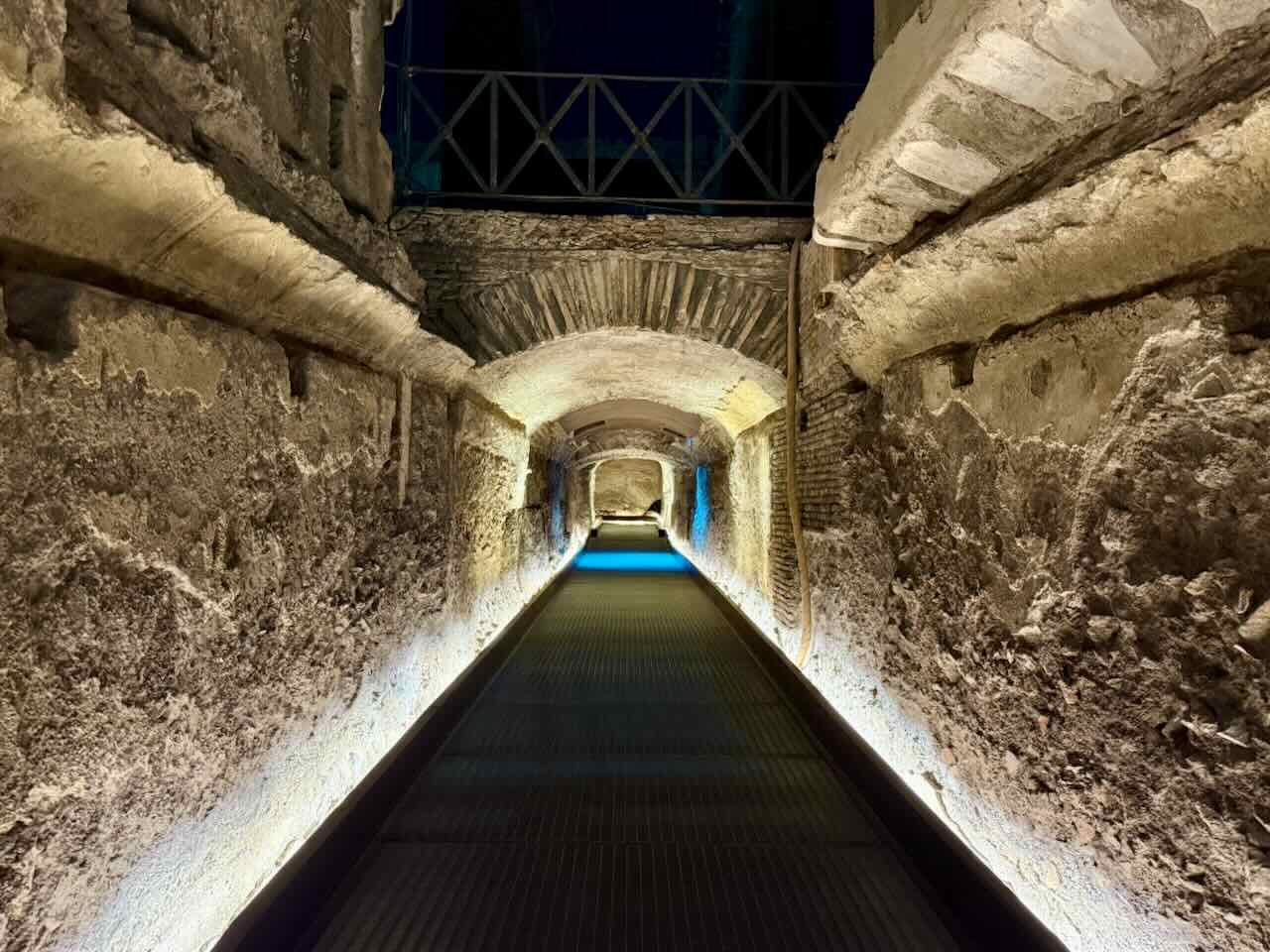
This is not simply a new route.
It is the result of a major archeological excavation that revealed a passage connecting the Imperial box, where emperors would watch the displays in the arena.
To avoid mixing with the public, emperors and high-ranking members of ancient Roman society used the passage, which has been carefully restored.
The Colosseum experience now includes more archaeology, not just expanded access. To see the corridor, the specific Full Experience ticket, including a guided visit, must be selected when booking.
The Southern Ambulatories
This is right at your feet the moment you walk around to the south side of the Colosseum, but most people have no idea what they're standing on.
New travertine paving has been laid at the original ground level of the Colosseum, where covered walkways (ambulatories) that the ancient Roman spectators passed through on their way to their seats inside the amphitheater. These walkways ran all along the south side of the Colosseum, and had pillars and vaulted ceilings reaching as much as 50 meters high.
Through the 6th and 7th centuries, that whole section collapsed gradually after multiple earthquakes, as well as unstable soil, and centuries of damage that had not been fixed. The floor blocks were removed and used elsewhere and the covered spaces became stables and shelters. By the 19th century it had all been leveled and largely forgotten.
Rather than rebuilding the entire structure, this modern renovation has focused on recreating the original floor level and re-laying the floor in Travertine marble.
The Travertine used for this new paving came from the same quarries in Tivoli that supplied stone for the original Colosseum, and at the points where the pillars once stood, larger blocks of marble have been laid that people can sit on.
You will see Roman numerals engraved in the new paving, these mark the original fornix numbers, which was the same system that guided ancient spectators to their sections.
One section of the original foundations has been left open as a permanent excavation display where you can see the ancient construction layers.
Belvedere Cederna
A few steps from the main entrance of the Colosseum, there's a viewpoint that has been reopened recently after years of being closed during the Metro C construction.
This elevated platform has a direct view to the Colosseum, giving you one of the best angles that you can get for free.
Named after archaeologist Adriana Cederna, who fought to protect this area from a highway being built in the 1970s, it has been replanted with all sorts of different trees, flowers and shrubs.
The Belvedere is just past the Colosseo Metro station, above the Via dei Fori Imperiali.
Watch my recent YouTube video where I go into more detail about all the new things at the Colosseum in 2026 for lots more information about these changes.
House of the Griffins
On the Palatine Hill, inside the archeological park, is a room that most visitors to Rome will never see, called the House of the Griffins.
This is a Republican-era house, likely from the 2nd century BCE, where some of the oldest painted wall decorations surviving in Rome are. The house is completely underground, and was only preserved because later structures were built on top of it.
The frescoes are simply extraordinary. They aren't worn fragments but rather genuinely intact painted walls from ancient Rome. The most famous element of the frescoes are the two large griffins that give the house its name.
Because it is so special, access to the House of the Griffins is not included in the regular entrance tickets. Currently Parco Colosseo are running special tours on Tuesdays, one in Italian and one in English, for people who have the Forum SUPER Pass ticket and who have paid the additional fee for the guided tour.
Via di San Gregorio: A Calmer Approach to the Colosseum
Along Via di San Gregorio, between the Palatine Hill and the Colosseum, pedestrian space was dramatically expanded in 2025.
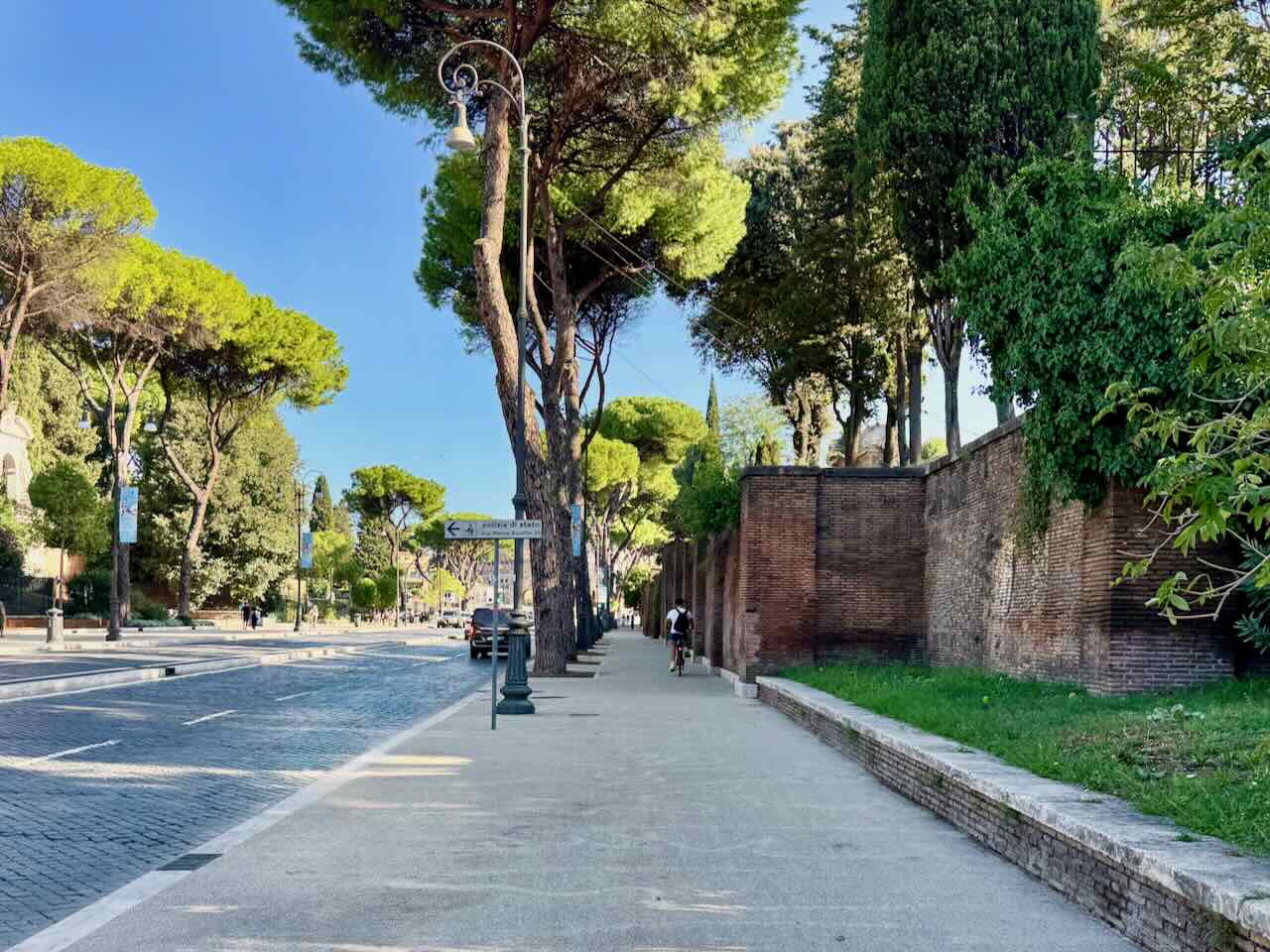 Walking or cycling along the via di San Gregorio has become such a pleasure now that they've widened the sidewalks and bike lanes.
Traffic lanes were reduced, tour bus parking was relocated, and greenery and shaded walking areas were added. What was once a stressful sidewalk is now one of the most pleasant approaches to the Colosseum.
Horrea Piperataria - Now a Standard SUPER Site
The Horrea Piperataria opened in late 2024 in the Roman Forum/Palatine Hill area, allowing us access to ancient warehouses built by Emperor Domitian.
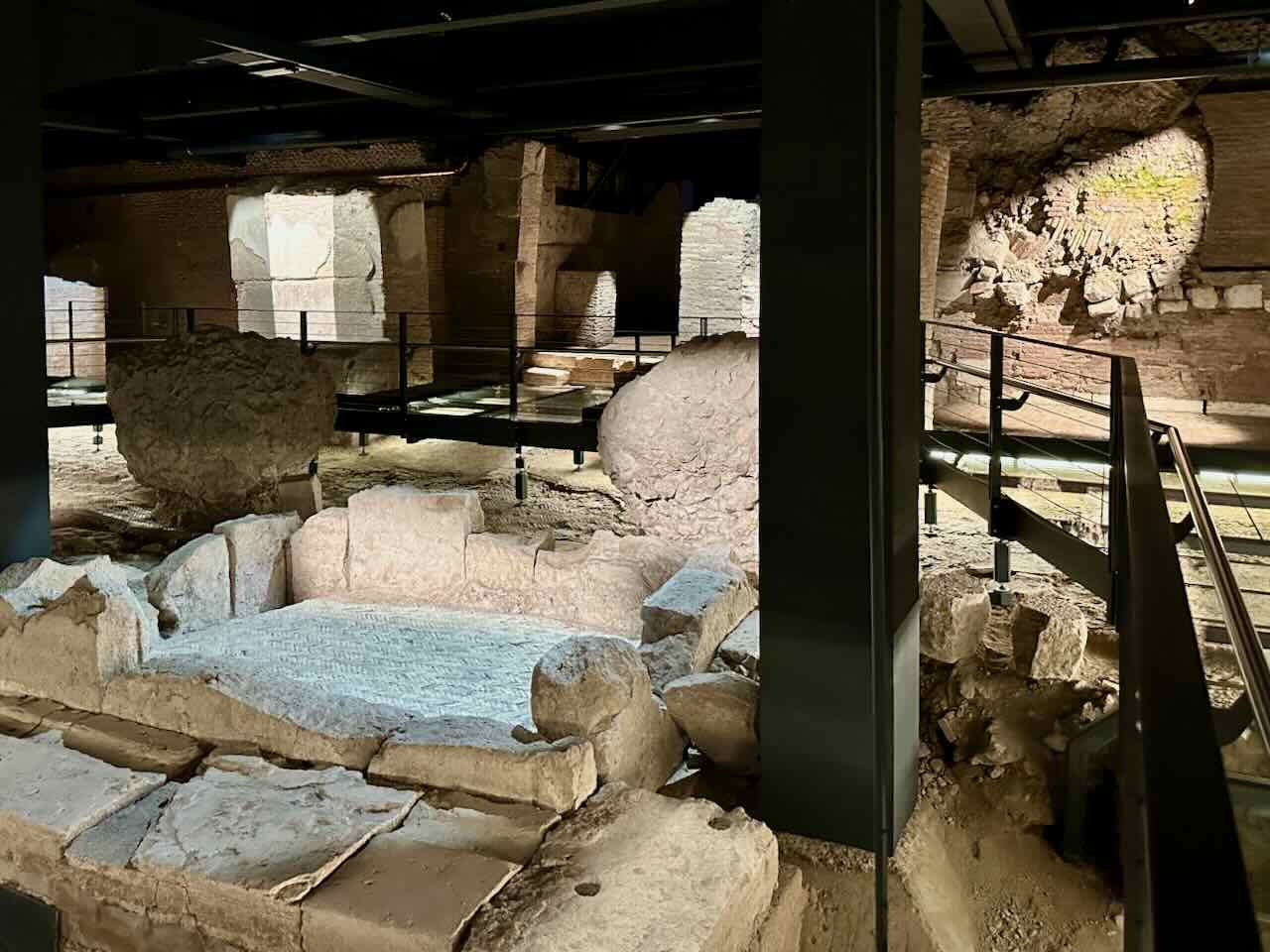 The Horrea Piperataria (spice warehouse from the days of the Roman Empire) is a superb new underground site in the Roman Forum, and it's now easy to visit.
In 2025, it became a standard SUPER site.
This means that a guided tour is no longer required, and access is included with any ticket that includes these SUPER sites, i.e., a Full Experience ticket.
Domus Transitoria
The Domus Transitoria SUPER site on the Palatine Hill is expected to reopen in July 2026.
This was Nero's first palace in Rome, built before the much more famous Domus Aurea. It was partially destroyed in the great fire of 64 CE, the same fire Nero got blamed for. What's left of it is underground, under the imperial palaces of the Palatine, and what survives is surprisingly intact, including marble floors, painted walls, and fragments of the original decoration.
I was lucky enough to visit it when it briefly opened a few years ago, but it’s been closed for restoration since before the pandemic and we’ve been waiting for news of it reopening. So this is really exciting for me, as I can’t wait to see it again.
One caveat on this one: the summer 2026 date comes from a sign I photographed on-site at the Palatine. The official website doesn't have a date listed yet. So take this as expected, not confirmed.
I'll update here and on my social channels as soon as there's a firm date.
New Line C Metro Stations
Rome’s public transportation system saw a major shift with the opening of new Line C metro stations, including the Colosseo-Fori Imperiali stop.
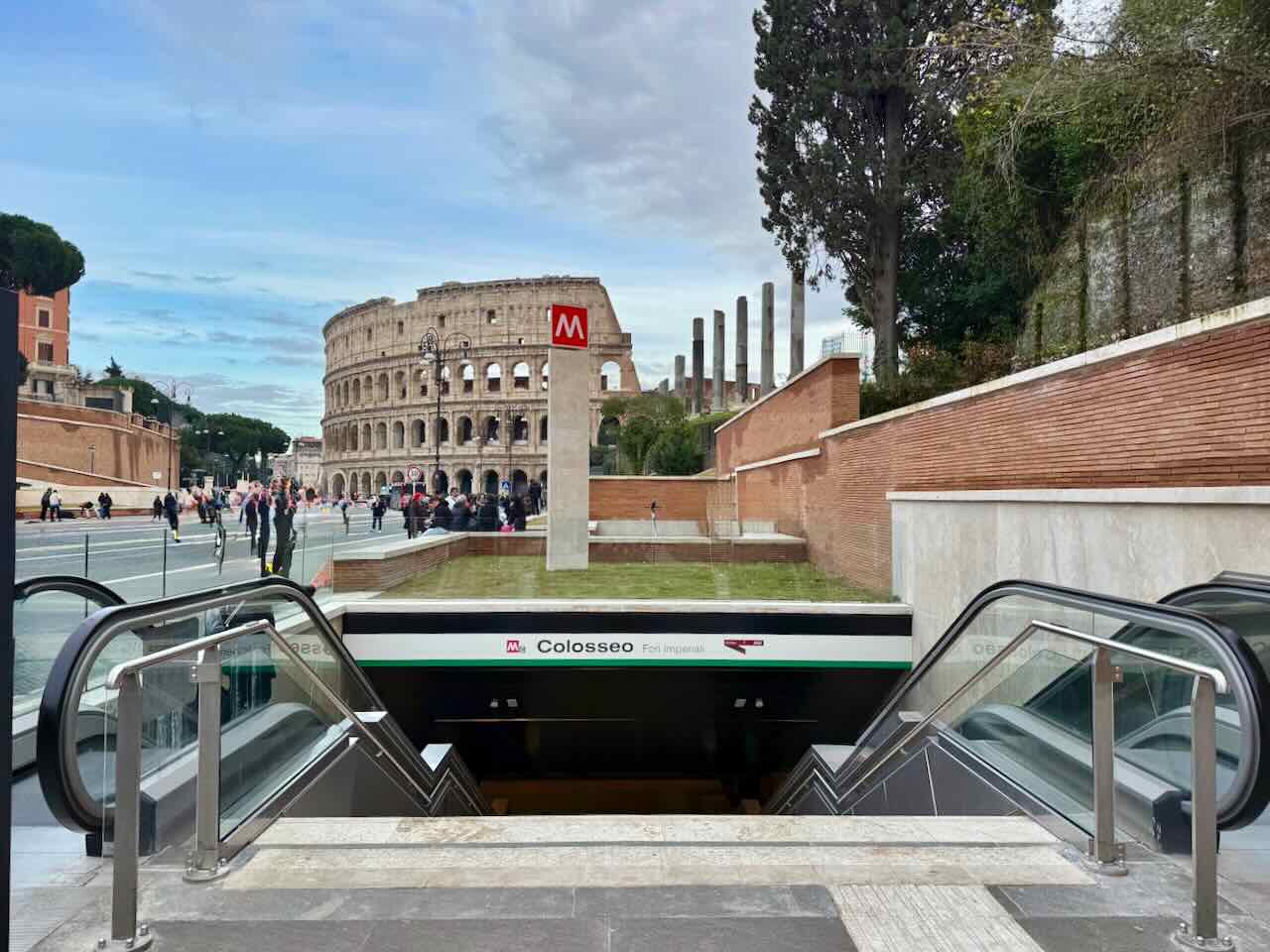 The new Colosseo Metro stop is part of a years-long, enormous project to expand Rome's transportation system.
Line C now connects directly with Line B at the Colosseum, providing easier links to San Giovanni.
The new station took years to complete and was designed with archeological displays integrated into the station spaces themselves.
There is also a new Metro stop at Porta Metronia coming this year, with more to follow.
Years from now, this line will eventually connect directly to the Vatican and beyond.
The Mausoleum of Augustus: A Reconnected Monument
The Mausoleum of Augustus is still under restoration and expected to reopen in late 2026, but the surrounding area has already been transformed.
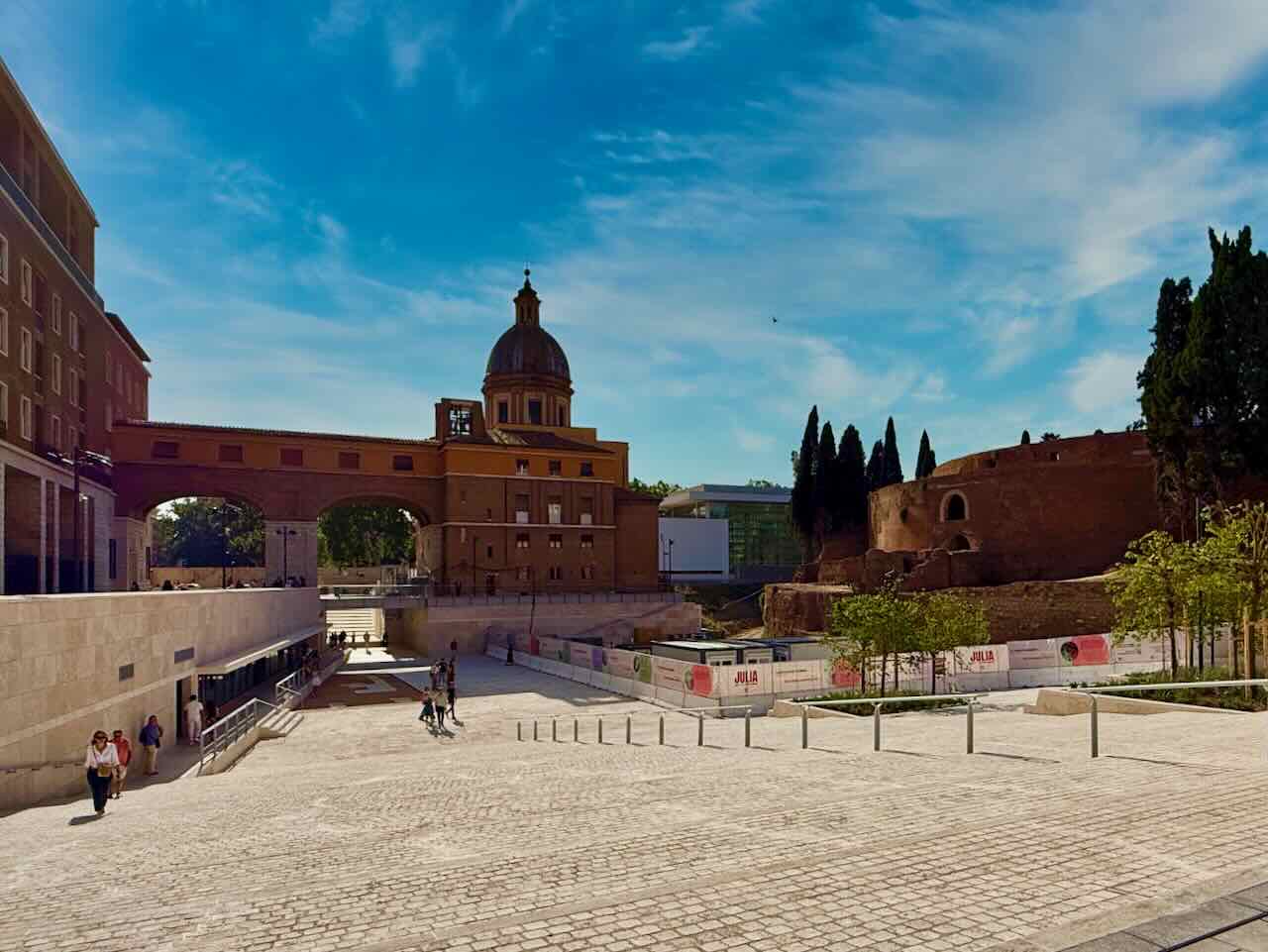
New travertine ramps bring visitors gradually from modern street level down to the ancient level, resolving decades of awkward elevation changes. Ancient remains are intentionally left visible rather than concealed.
For the first time in decades, the Mausoleum feels integrated into the city again.
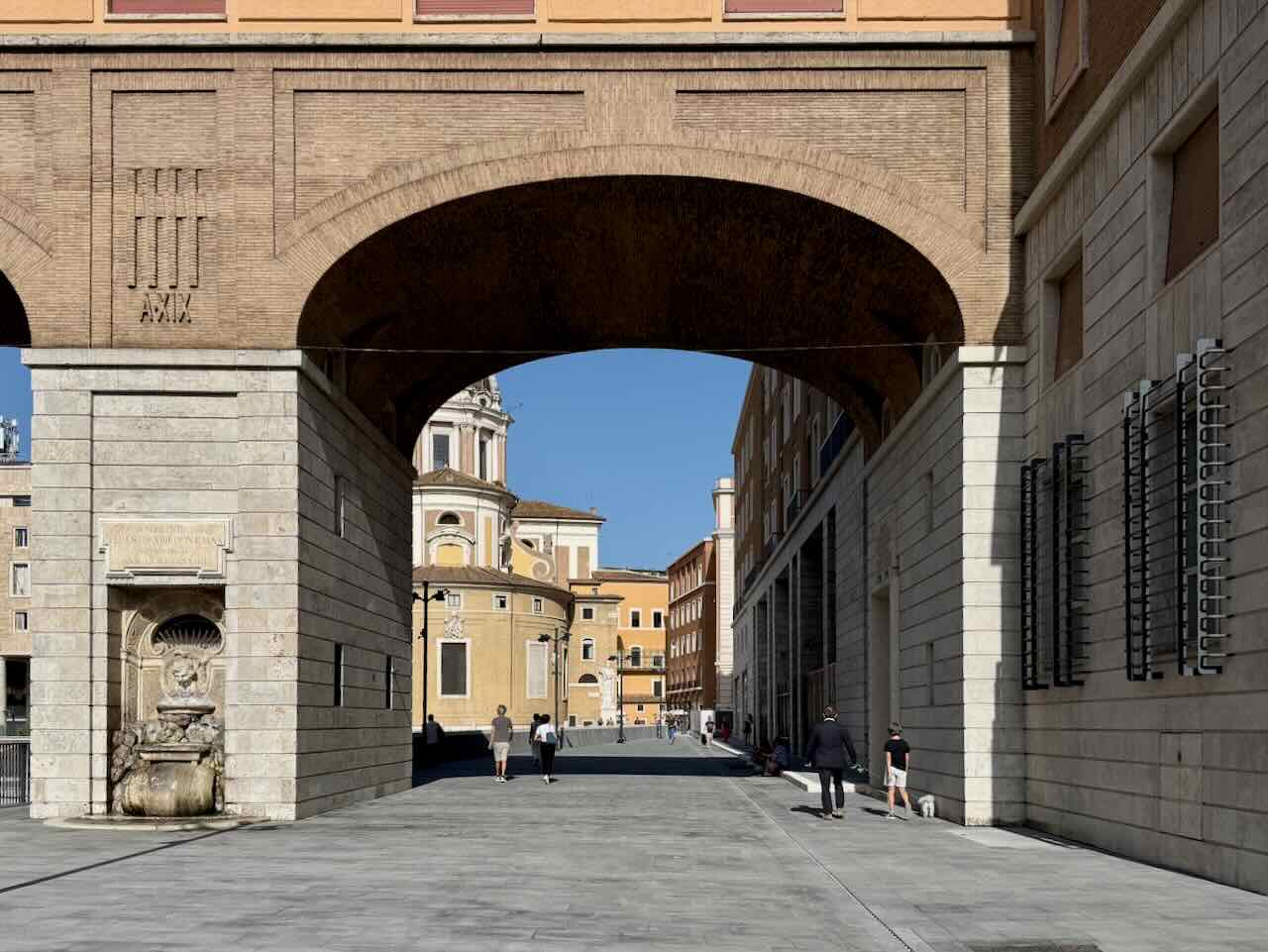 You can now enter this space from the area around the Ara Pacis, the museum that holds Augustus' Altar to Peace, tying everything together.
Augusto Caffè
In early 2026, Augusto Caffè opened directly on Piazza Augusto Imperatore.
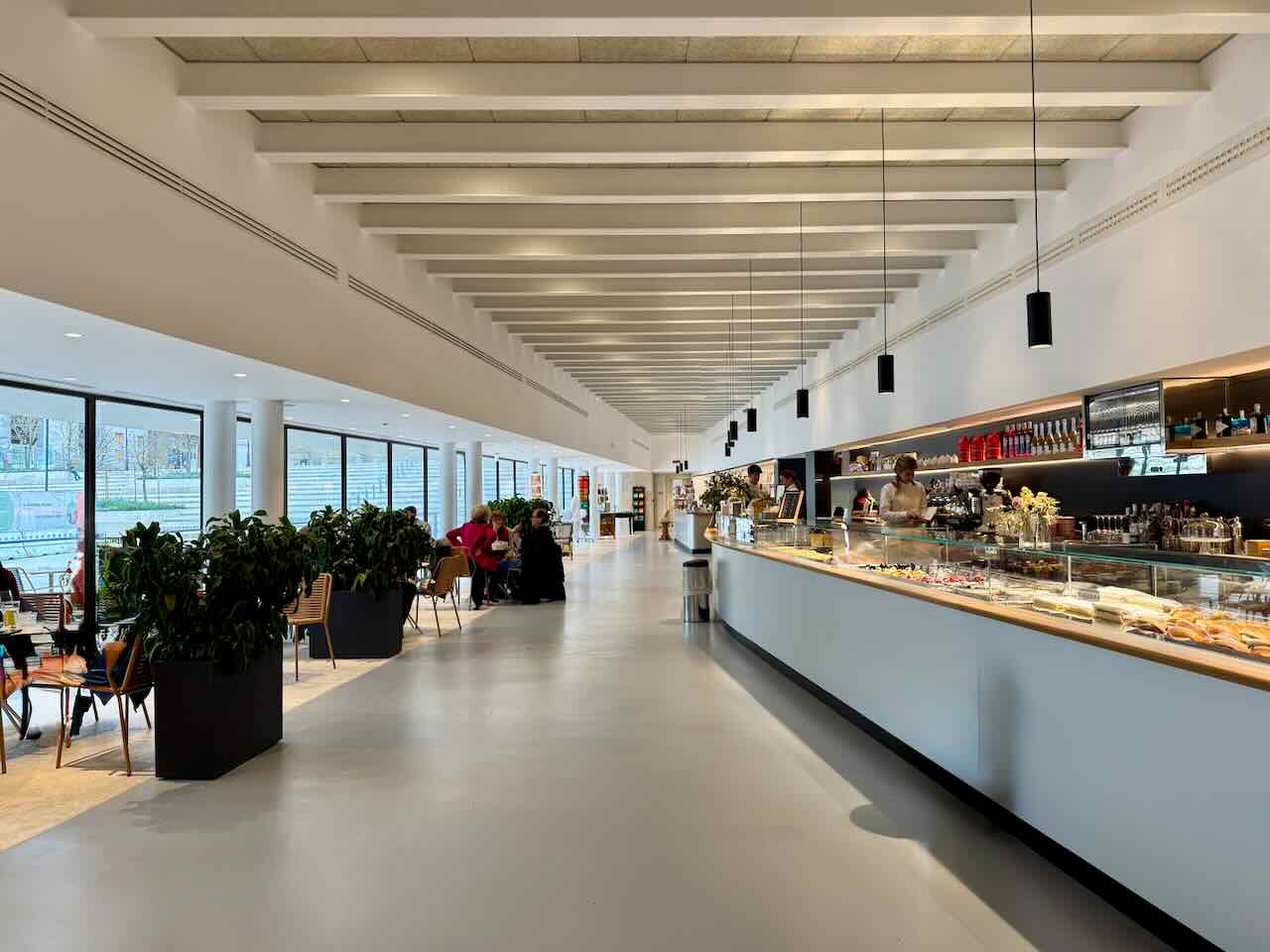
The café faces the Mausoleum and the redesigned square. It is open daily from 8:00 am to 8:00 pm and serves breakfast, lunch, and snacks. The menu is simple; the value is the setting.
The same space also functions as an information point, bookshop, and ticket office for Rome’s civic museums.
Once the Mausoleum reopens, hopefully in late 2026, this will be one of the best places in Rome to sit with a view of the monument.
Construction and Major Works Around the City
There are a few major works that have either just started, or are due to start soon in the center of Rome.
Piazza di Spagna
If you're coming to Rome before September 2026, this one does not affect you at all. This includes the Spanish Steps, the Barcaccia fountain below and the piazza itself, all of it looks exactly the way it always does.
I want to be clear about what's happening here, because people see the words "Piazza di Spagna" and "construction" and panic. The steps are not being touched. The fountain is not being touched.
What is changing however is the area around the piazza.
Starting in September or October of 2026, Rome is expanding the pedestrian zone toward Piazza Mignanelli, reorganizing the 12 taxi stalls with low curbs so they blend in better, redoing Via della Propaganda, and adding two new pedestrian crossings at Via dei Due Macelli and Via Frattina.
The idea is to open up more walking space around the piazza and clean up the traffic flow into it.
We expect there to be some level of disruption, but the actual Spanish Steps themselves to be largely unaffected.
Via dei Fori Imperiali
This one is going to change the whole center of Rome; the city is finally pedestrianizing Via dei Fori Imperiali, which is the wide road that runs from Piazza Venezia to the Colosseum.
To understand why this matters, you have to know how the road got there in the first place. That whole area used to be the heart of ancient Rome. Temples, imperial buildings, the forums of four different emperors, along with the forum of Julius Caesar.
But in the 1930s, Mussolini bulldozed it to build Via dei Fori Imperiali as a road for his military parades, creating a major road right through the ruins.
When I first moved here in 2001, we could drive down this road and around the Colosseum. Now, it’s only open to buses and taxis. But the road has been a traffic artery for nearly a hundred years, and the vibrations, buses, and smog have been damaging what's left of the ancient monuments on either side of it.
The change to only buses, taxis and emergency vehicles helped to reduce the traffic, but Rome needs to go further, both for the protection of the ancient structures and for the public visiting this area.
Active construction began in February 2026 to switch the road to a pedestrian-only zone, and while the official city timeline says completion by the second quarter of 2026, my honest take is that's not going to happen.
This is a multi-year project running through 2027, but to me the disruption is worth it. This is going to be one of the best things that's happened to the center of Rome in a century.
Via Veneto
Via Veneto is the grand boulevard near the Villa Borghese park, the one Fellini made famous in La Dolce Vita.
The city is putting €4.5 million into the road to create new sidewalks, better lighting, drainage, and accessibility work on new paths for the visually impaired and wheelchair ramps. Construction started in April 2026 and is expected to run through October of this year, though with Rome construction timelines, I'd plan for some of it to stretch beyond that.
You'll see barriers and some sections fenced off, but the street is still open to walk through.
New Concerts and Changes to the Summer Opera Season
There are a couple of big pieces of news about the summer concert season in Rome for 2026:
Santa Cecilia and the Basilica of Maxentius
For the first time in nearly 50 years, the Orchestra of the Accademia Nazionale di Santa Cecilia is performing concerts inside the Basilica of Maxentius (inside the Roman Forum) this summer.
A bit of context for this, Santa Cecilia is one of the oldest and most prestigious music institutions in the world, and they used to perform concerts at the basilica regularly from 1933 to 1979. The concerts stopped because the basilica was in bad shape and needed major restoration. That work has finally finished, and they're coming back.
Concert dates are through July, so if you're planning to be in Rome in July, this is something you can book right now. Capacity is around 1,500 per concert, so I'd expect these to sell out.
Change of Venue for the Summer Opera Season
The Caracalla Festival, which is the Rome Teatro dell'Opera's summer season, is usually held at the Baths of Caracalla.
For the 2026 season, the stage is moving to the Circus Maximus however.
The Baths of Caracalla are getting an €8 million restoration, so for the 2026 season only, the operas, ballets, and concerts will be at Circus Maximus from June 29 through July 31.
The festival is expected to return to Caracalla in 2027.
The Celio Archeological Park
Inside the Parco Archeologico del Celio, the Casina del Salvi reopened in April 2025, close to the Forma Urbis museum.
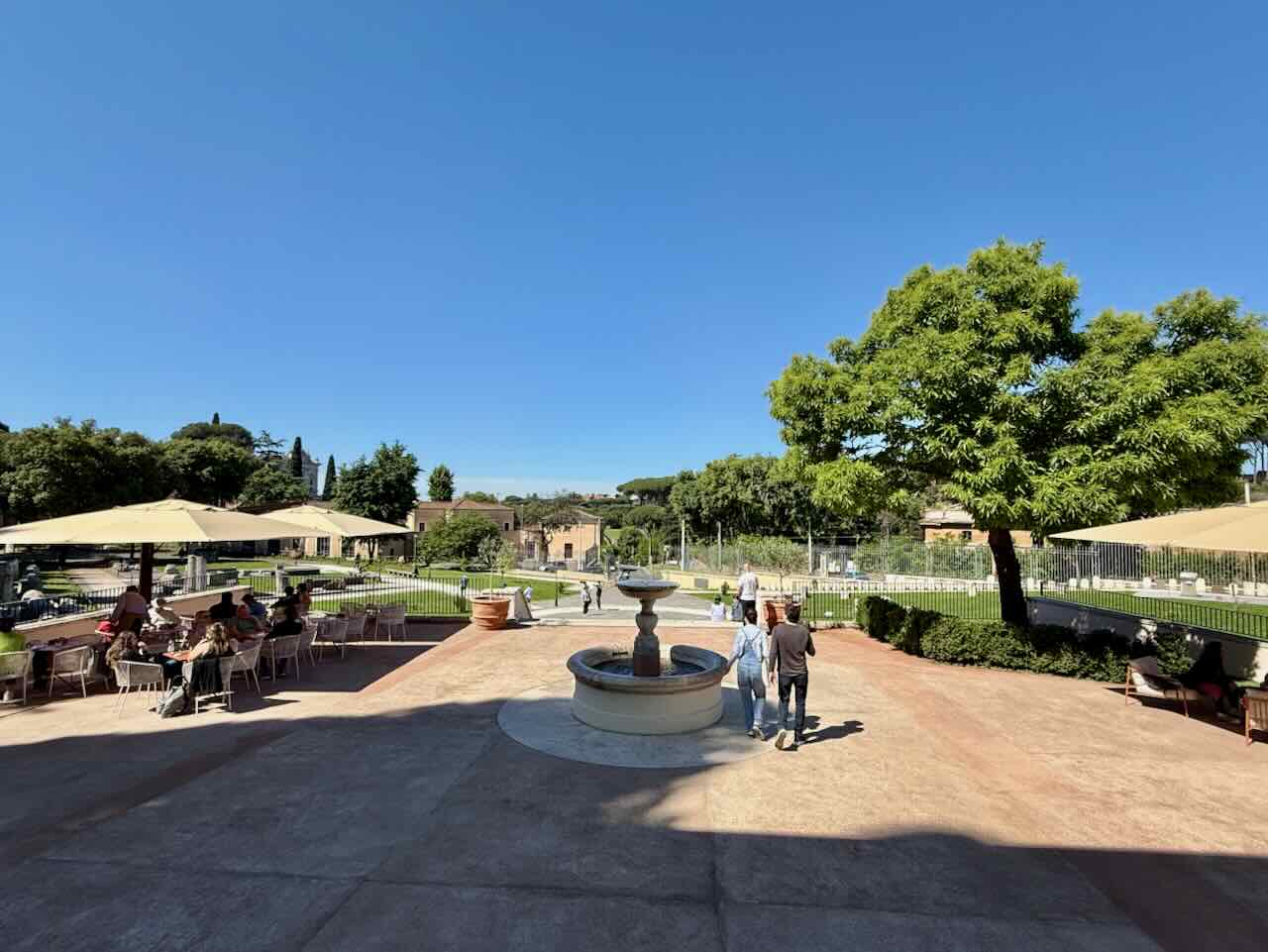 The Casina del Salvi café is the perfect spot for a snack or light meal while you're exploring sites of Ancient Rome in the Celio neighborhood.
It now functions as a city-run café that has outdoor seating with Colosseum views, and a study and work space with free WiFi and charging points.
It changes how people actually use archeological parks, not just how they pass through them.
Jump start your trip to Rome with a free ebook 😀
Sign-up to our free newsletter and receive our Quick Start Guide to Rome ebook which share's everything you need to know to plan the perfect trip to the Eternal City 🙌
Piazza della Repubblica and the Baths of Diocletian Area
Piazza della Repubblica and the surrounding area underwent significant upgrades in 2025.
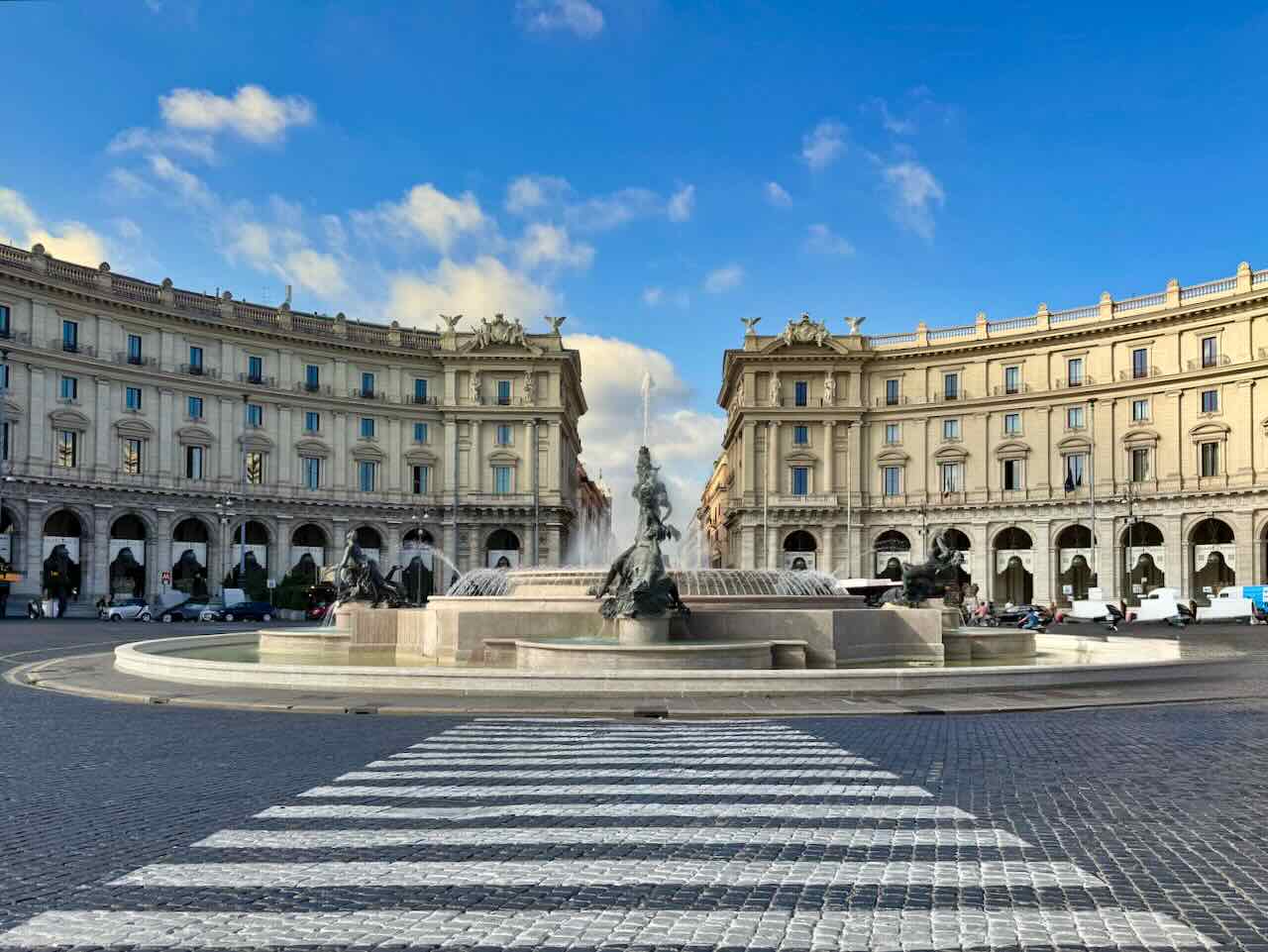 The newly-restored Fontana delle Naiadi in Piazza della Repubblica has made the square infinitely more beautiful.
The Fountain of the Naiads was fully restored, and the spaces around the Baths of Diocletian were redesigned. Right outside Termini station, this area now feels calmer, greener, and more coherent.
Changes at the Pantheon
Pantheon Fee Increase - From July 2026
The Pantheon entrance fee is going from €5 to €7, starting July 1, 2026.
In my opinion, this really isn't a big deal but is just something to keep in mind as you plan your trip. This the first increase since they introduced a fee originally.
The same change will likely affect the Oltre il Pantheon visit (below), which is the guided tour that takes you behind the Rotonda into the Basilica of Neptune.
That ticket is currently €10 plus the Pantheon entry fee, so the total cost will probably go up by the same €2 once the price change kicks in.
Oltre il Pantheon: New Access Behind the Pantheon
For years, access to the spaces behind the Pantheon (particularly the remains of the Basilica of Neptune) was limited to occasional special visits.
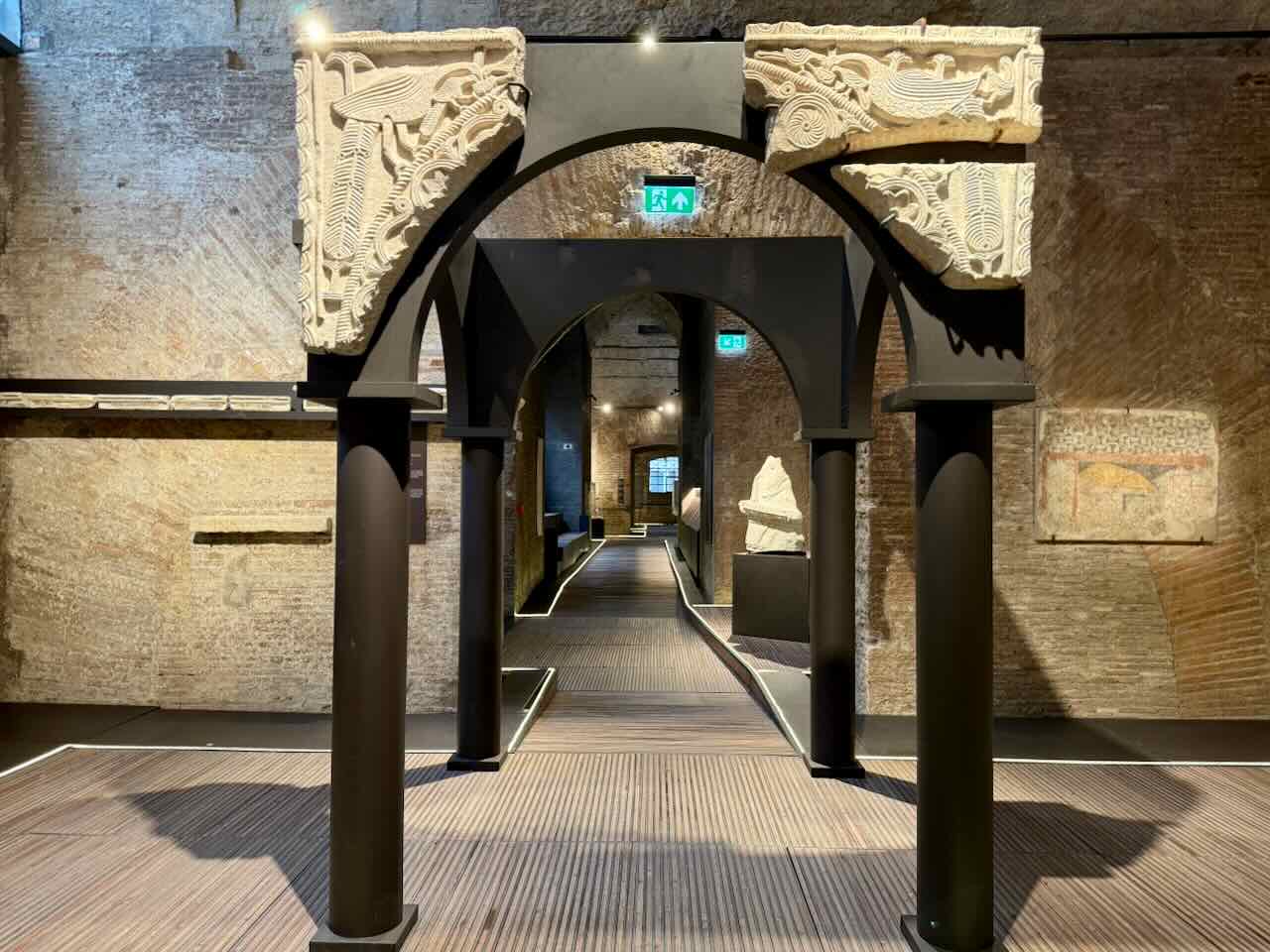 I love the new visit to the Pantheon back rooms. You'll be on a guided tour, but you can still enjoy quiet spaces like this.
These areas have now been restored and opened as a regular, bookable guided experience known as Oltre il Pantheon. The visit lasts approximately 45 minutes and includes guided access to the Basilica of Neptune spaces, along with entry to the Pantheon.
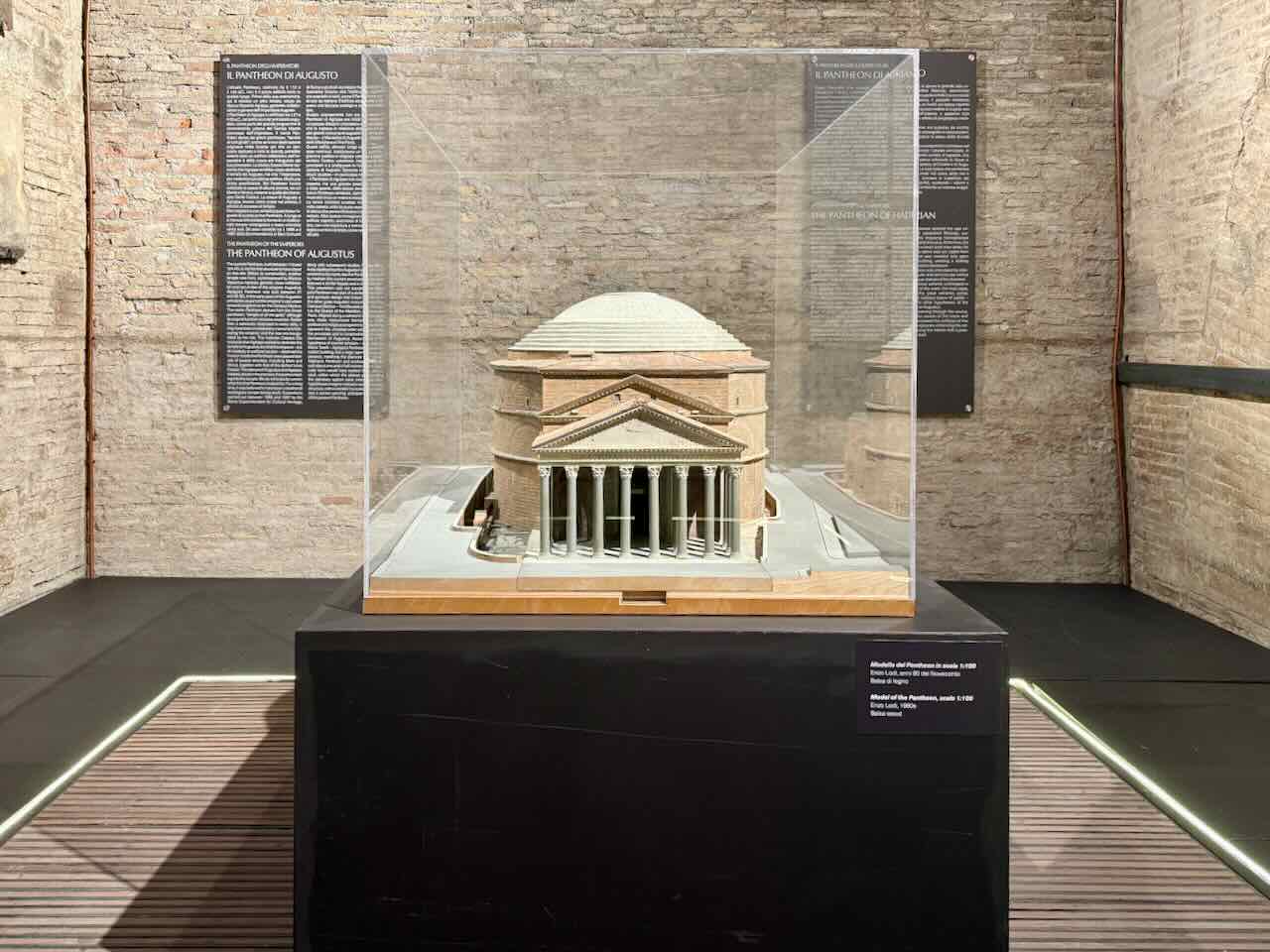 This model of the Pantheon is one of the many things on display in the newly-opened back rooms of the monument.
This experience is not about revisiting the Pantheon itself, but about understanding the surrounding structures that supported and contextualized it in ancient Rome.
Check out my recent video here to find out what it is like.
The Trevi Fountain Fee System
In 2026, a new fee system was introduced for access to the Trevi Fountain basin area.
The square remains open but the fee regulates access to the basin itself, with the goals of crowd management, safety, and long-term conservation.
This follows the same logic used for the Pantheon entry fee introduced in 2023.
 While you can still see the Trevi Fountain from further back in the piazza, to get down to the basin in 2026 you will need to pay a small fee
Villa Celimontana
Villa Celimontana, the park up on the Celio hill, has been going through a long restoration, and it's coming back to life in stages right now.
I love Villa Celimontana because it's shady, it's quiet, and even in the middle of a busy tourist day you're not tripping over anyone. It's a great escape from the city. The park is also only a short walk from the Colosseum and is one of the quieter green spaces in the center of Rome.
Just last month, the city reopened the Clivo of Villa Celimontana, the sloped path that connects the Celio neighborhood up to the park gardens which had been closed for decades. The €1.2 million restoration rebuilt the 17th century terraced path, uncovered an underground nymphaeum called the Ninfeo dell'Uccelliera, and replanted the Giardino degli Agrumi with 40 citrus trees.
A second, bigger project is underway right now and is expected to wrap by the end of 2026. That one is restoring the neo-gothic Tempietto inside the park, more of the historic fountains, and the pathways and play areas. So by the end of this year, the whole park should be fully reopened and freshly restored.
Everyday Transport Improvements
Rome’s public transport has improved in practical ways.
Many ATAC buses are newer and quieter. Bus stops that were once nothing more than poles often now include shelters, seating, and real-time arrival screens.
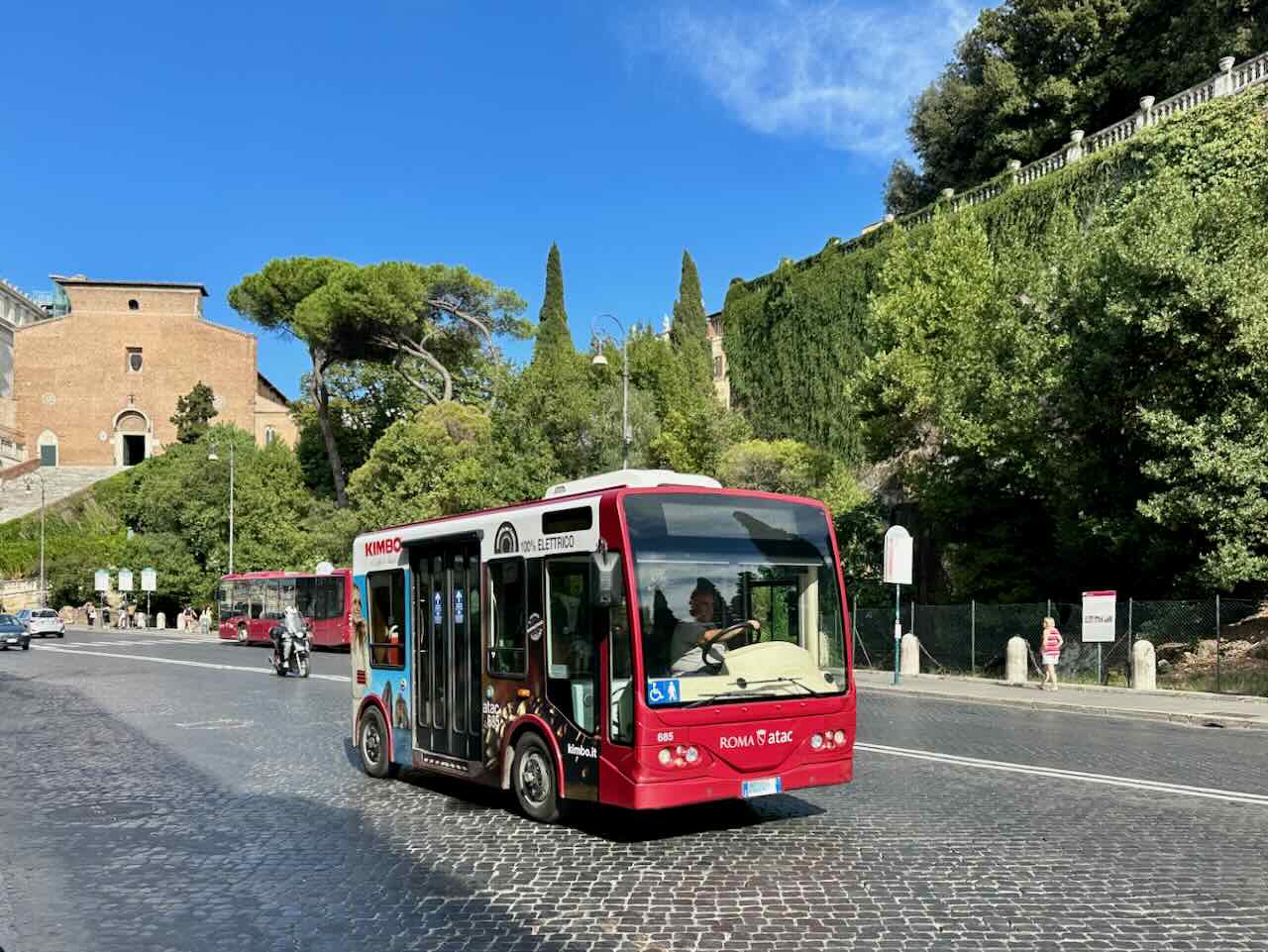


Tap & Go on Public Transport
All public transportation in Rome now supports tap & go payments. Visitors can tap a contactless card or phone to ride without purchasing individual tickets, unless they prefer a pass (for a day or week).
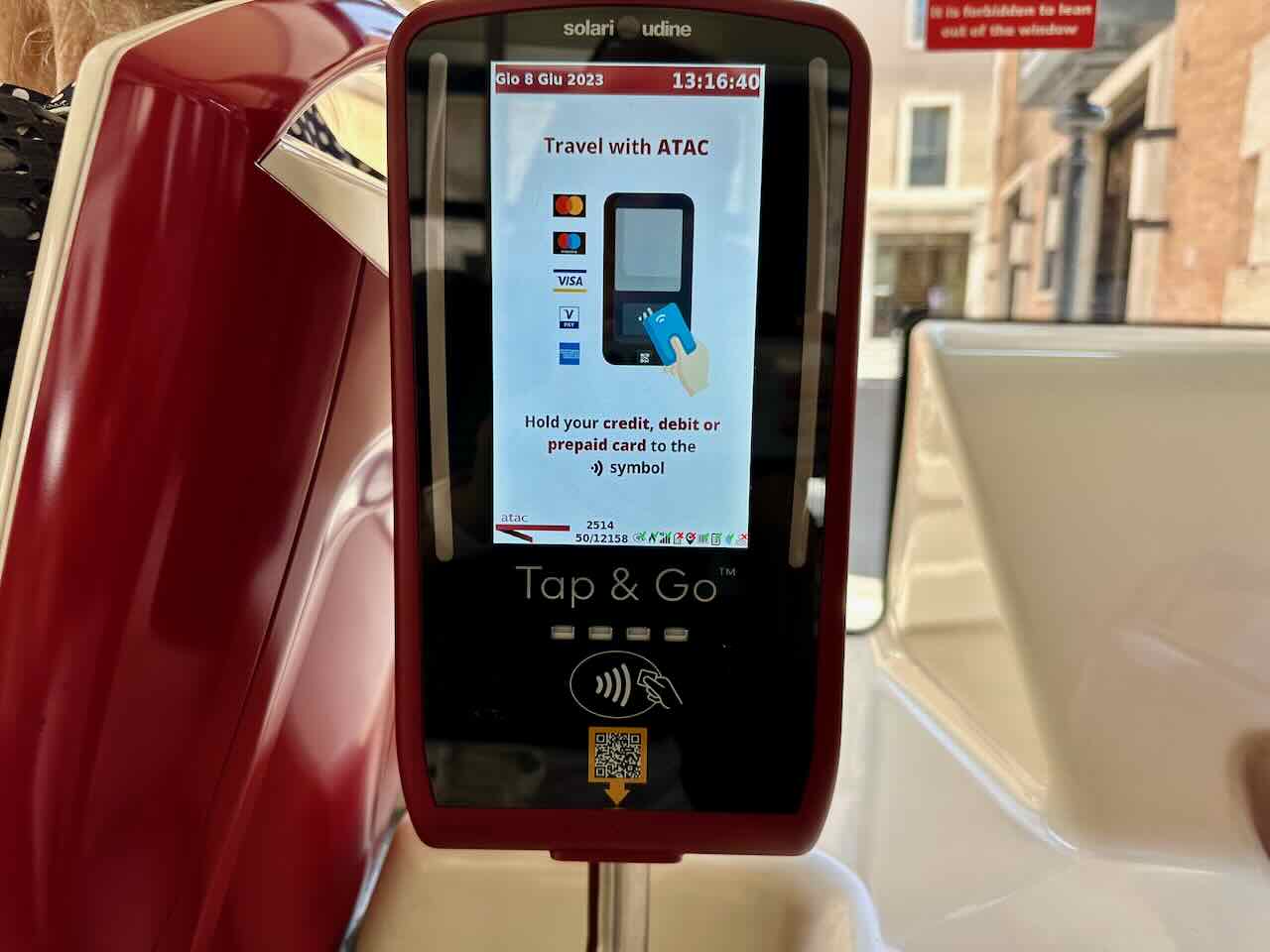 All Rome transportation now has "Tap n Go", making it easy for anyone to pay electronically right when they board.
One thing to remember is that the same physical credit card cannot be used more than once, so each member of your group (including children) will need their own payment method.
You can use the same card if it is saved on individual phones; however, each phone tap is classed as a separate transaction.
Looking Ahead
Rome plans in decades, not seasons. There is an extraordinary Jubilee planned for 2033, which helps explain why many of these changes are structural rather than temporary.
Repeat visitors will notice things like widened sidewalks in key areas, expanded pedestrian zones, modernized metro stations, and improved trash and recycling systems.
You may not remember exactly where these changes occurred, but you will feel them as you move through the city.
Rome in 2026 is still ancient, layered, and imperfect, but it is also more walkable, more legible, and easier to navigate than it has been in a long time.
Romewise's Top Travel Resources
Ready to book your trip to Rome? Take a look at these helpful links to companies we use and trust:
- Keep your travel spending simple with the Wise card, which removes all the worry about exchange rates and high transaction fees all over the world
- Search for and book your perfect accommodation
- Our complete guide to what to pack for Rome
- The number one travel accessory, a multi-point travel adapter and voltage converter
- Browse a huge range of tours in Rome and beyond
- Experience unique tours and special access to Rome's most popular sights
- Protect yourself with comprehensive travel insurance
Within this post there are some affiliate links for products and services. For more details about our affiliate policy click here.
Get your 100% free Rome trip planner now!
Simply sign-up today for our free newsletter and get the Romewise Quick Start guide to Rome:
We are committed to respecting your data. Click for our Privacy Policy.
Comments? Questions? Suggestions?
Please come over to the private Romewise Facebook group and join in the conversation.
You will often find me there, happy to answer your questions / comments!
You will also meet other Rome lovers and experts, too.
What are you waiting for?
- Romewise Home Page
- What to Expect in Rome in 2026
Our preferred tour partners:


Join us as a Preferred Partner

Read here about our sponsorship policy
Top ROME SITES & ACTIVITIES
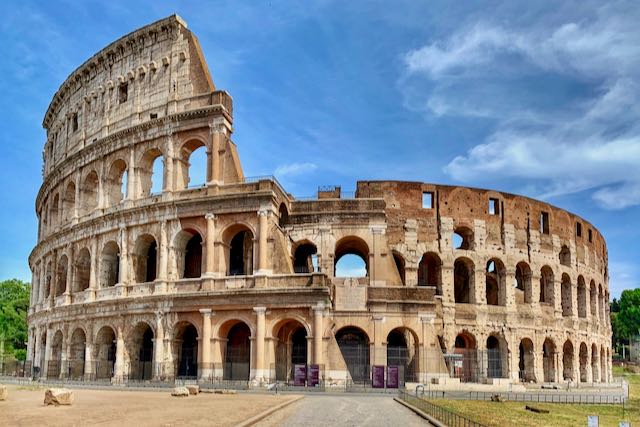
- Colosseum - Don't miss visiting Rome's most iconic site
- The Vatican - Including the Sistine Chapel and St Peter's Basilica
- The Pantheon - The Eternal City's best preserved ancient monument
- Day Trips - explore beyond Rome to discover more
Disclosure: If you make a purchase through a link on this page, I may receive a small commission - at no extra cost to you. Thank you for supporting my site!